A couple of weekends ago I visited Mbare, a high-density suburb of Harare. I had been warned about visiting the area by one of the drivers at HIT, who said that he does not like visiting the area because of thieves. So I was quite apprehensive when a friend that I met through my former student said he wanted to show the place to me.
As my friend explained to me, Mbare houses a number of apartment buildings, called the Matapi Flats, that were used before the 1980’s as housing for men that would come to work in Harare for a few weeks at a time, leaving their families in the rural villages. The men would work in town and then take their earnings and other supplies back to their families in the villages. After Zimbabwe gained independence, these apartment buildings now house families, even though the rooms are set up much like dorm rooms not meant for more than a single occupant. The intended capacity of Matapi Flats was around 3 000, but it is estimated that well over 10 times that many are living there currently. The flats have also not been maintained at all since their construction many decades ago, so they are quite dilapidated, in addition to being brimming with people.
Mbare also houses the Mbare Musika, the largest farmers’ market in Zimbabwe. Besides produce, you can buy just about anything in Mbare. There are hundreds if not thousands of stalls lining the streets offering second-hand clothes and shoes, toys, building supplies, you name it!
As it was, we did not walk through Mbare. We drove up to some stalls offering building supplies and other industrial wares. My friend was looking for a plastic bin to store grain that we were next going to mill in Mbare. When we pulled over and parked the car, we were swarmed with men excited by the prospect of a sale. My friend explained what he wanted, but they didn’t seem to have the size he was looking for. After much negotiation though, he finally settled on a bin.
During all of this activity, I was instructed to remain in the car. In fact, when my friend stepped out of the vehicle, he actually locked the doors, which I found a bit unnerving, but then appreciated after the car was swarming with people. After he purchased the bin, he took one of the guys aside and walked off with him out of my view. It wasn’t until he returned to the car that he told me the man he walked off with had stolen a piece of his car’s bumper!
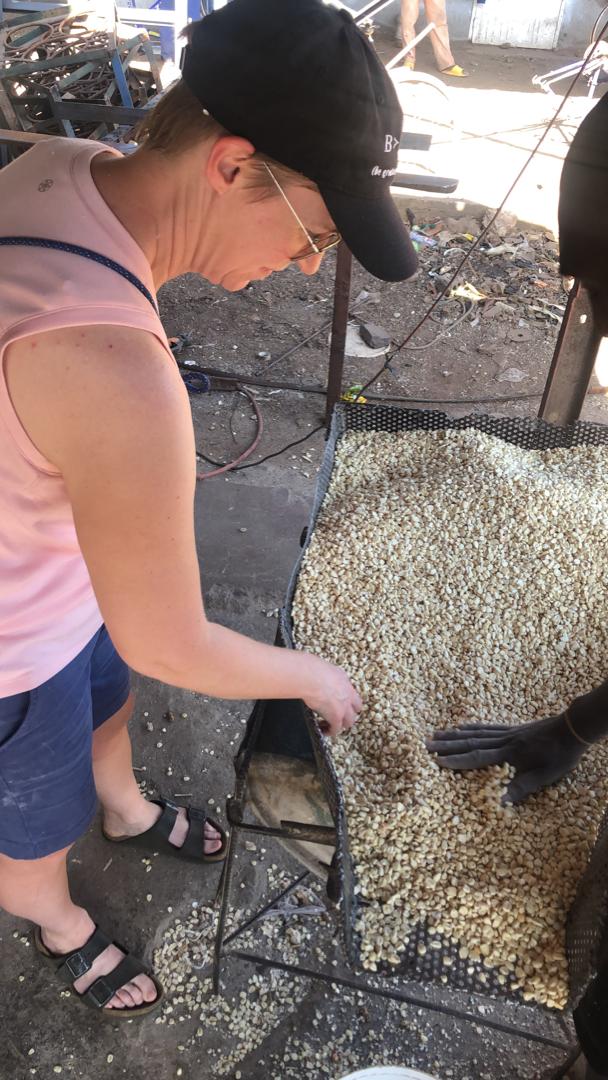
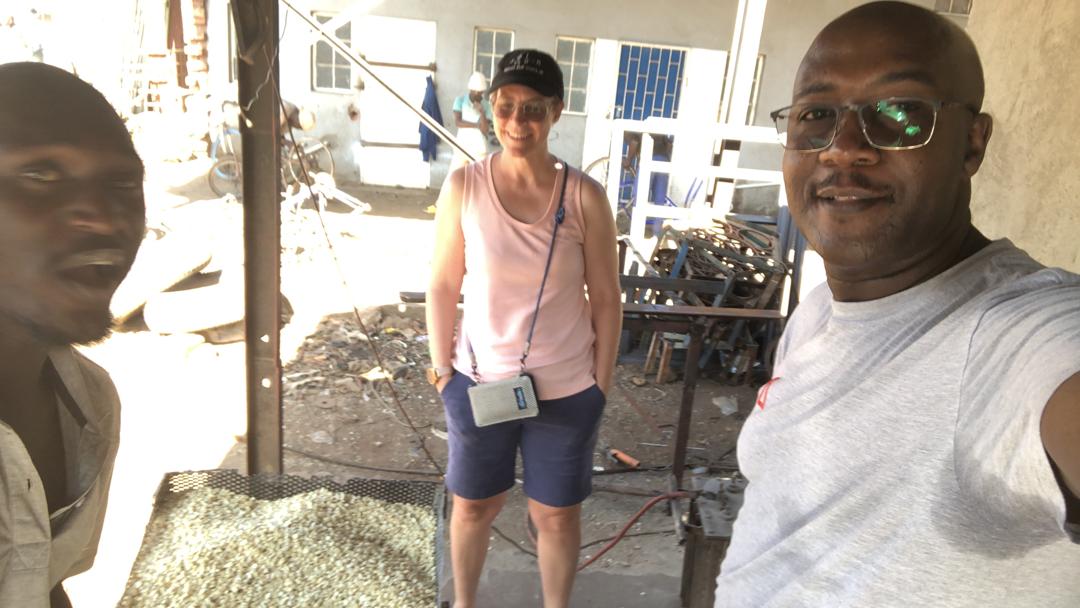
Once the bin was procured, we went a couple blocks away to a place that was less crowded in order to purchase grain to be milled. In driving there we went through a stretch of road with a number of puddles, which confused me as Harare had not had rain in a number of weeks. As we drove over the puddles the stench hit us and we figured the liquid was likely sewage from a broken drain pipe from one of the flats. Unfortunately, where we stopped to purchase the grain was just around the corner from this and so we could still smell the foul odor. But we purchased a bag of grain and then inspected it, removing any debris (that is what is the photos below depict), before it was milled. My friend prefers purchasing his grain in bulk like this as it is less expensive than buying it in the grocery store (although he said they charged him more since I was there, the assumption is that if you are white you are rich), but also having it milled in front of him he knows the product is healthier and not as refined as what you get off the shelf.
After our visit to Mbare, we then drove through a light industrial area, which housed tobacco processing plants. I learned that tobacco is the top export of Zimbabwe, which surprised me because I don’t see many people smoking around Harare. When I commented on this, I learned that nearly all of the tobacco grown in the country is exported.
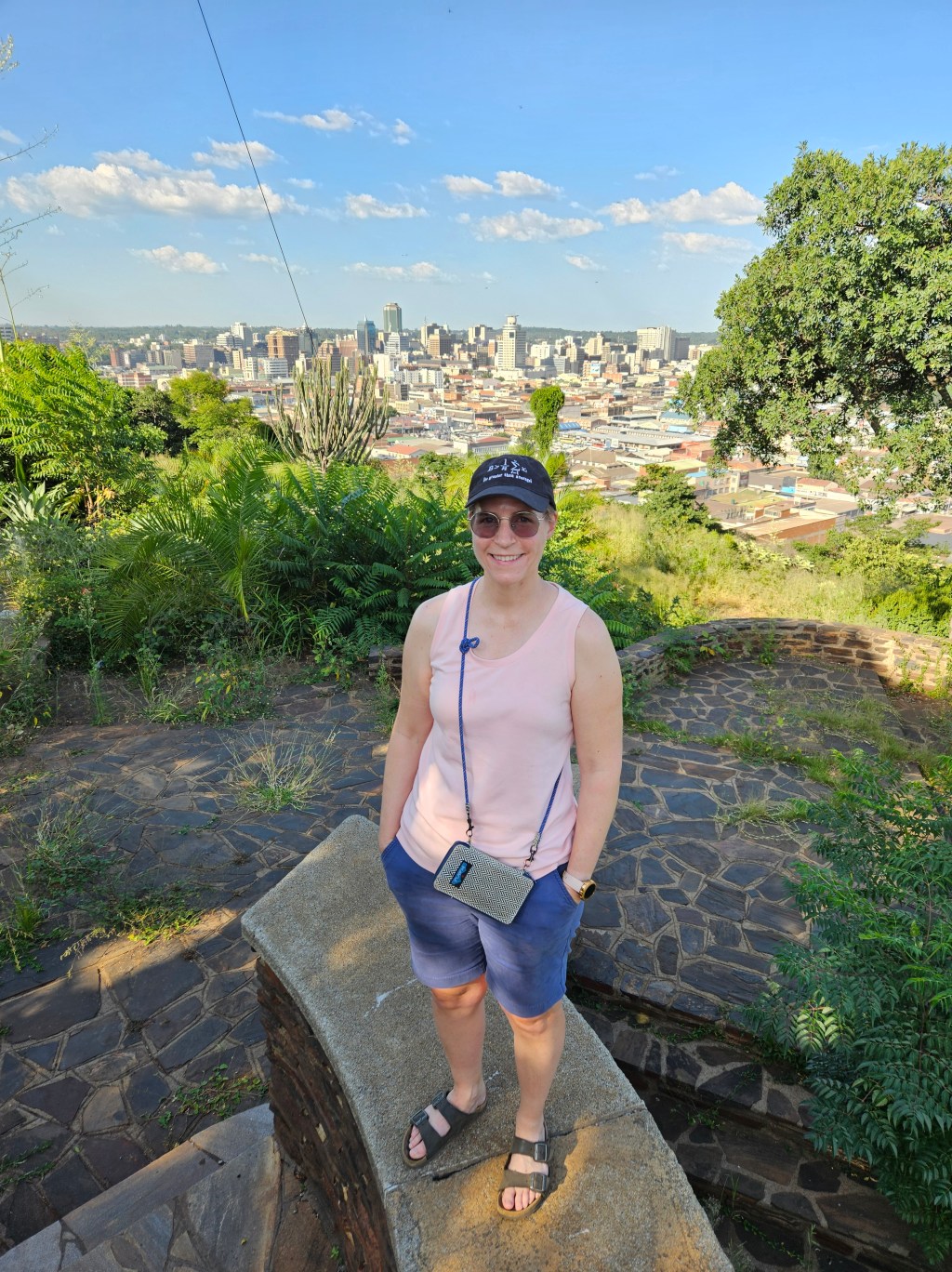
We then drove to the top of a mountain just outside the city center. The photo at the top of the post was taken on this mountain. You can see the CBD (Central Business District of Harare) in the background, which we then drove around after coming down the mountain.
The outing was quite interesting and eye-opening experience. I appreciated the opportunity to see another side of the city and also to learn more about the history of the region.
 kkuter
Leave a comment